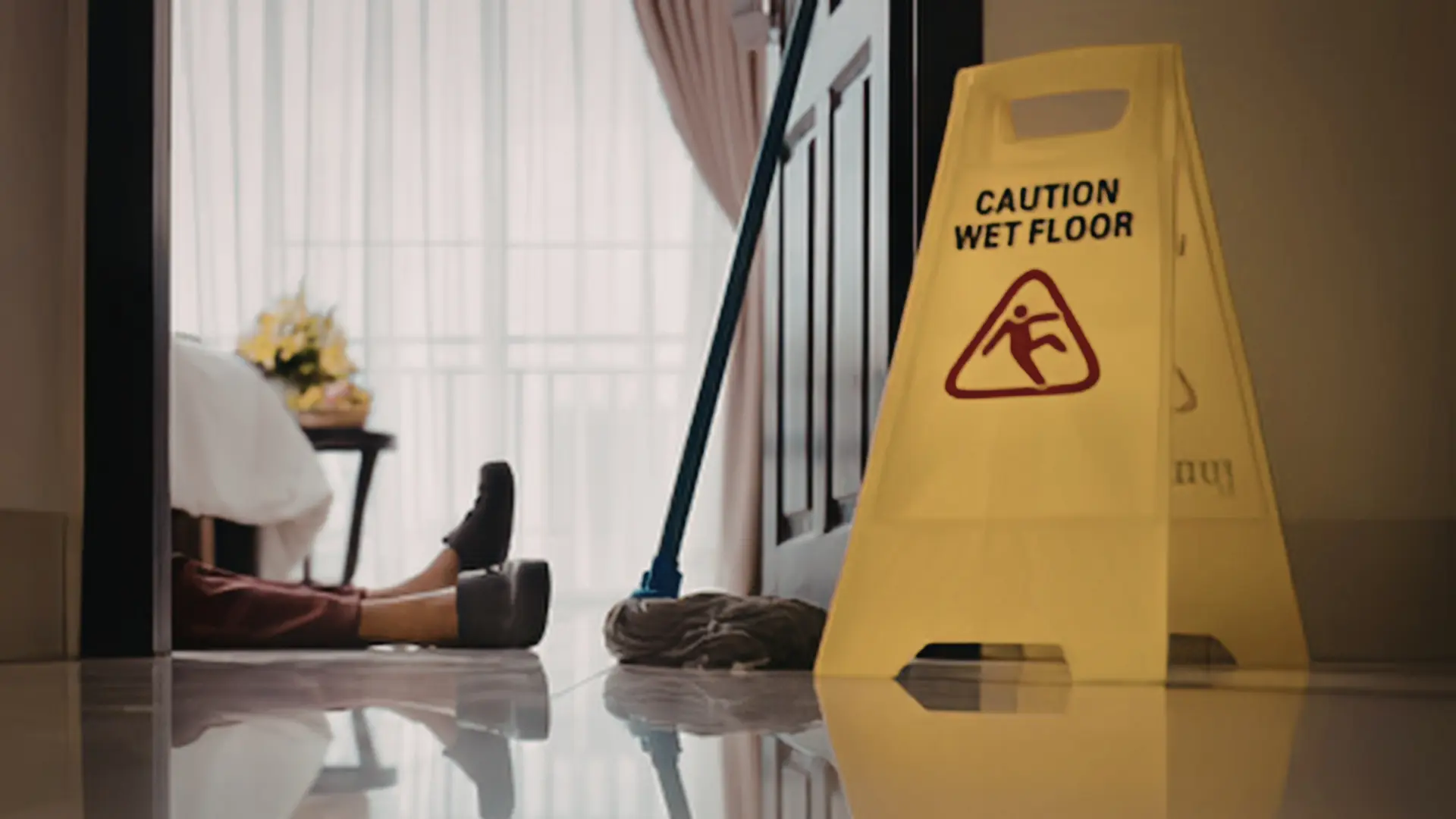
A slip and fall accident can happen in a split second, but the physical and financial consequences can last a lifetime. If you fell due to a hazardous condition on a commercial property—such as a wet floor in a grocery store, an icy sidewalk outside a retail shop, or poor lighting in an apartment complex hallway—you may be entitled to compensation. However, determining who is responsible for paying your medical bills depends on premises liability laws.
Understanding Premises Liability and Negligence
Property owners and business managers have a legal duty to maintain their premises in a reasonably safe condition for customers, visitors, and tenants. To hold a property owner financially liable for your slip and fall, you must prove:
- A hazardous condition existed on the property (e.g., a spill, torn carpet, or accumulated ice).
- The owner knew or should have known about the hazard (known as “constructive notice”).
- The owner failed to fix the hazard or warn visitors on time.
- The hazard directly caused your slip, fall, and subsequent injuries.
Who Pays Your Medical Bills First?
Many victims assume the property owner’s insurance will automatically pay their medical bills as they come in. Unfortunately, this is rarely the case. In premises liability, bills are typically paid in the following order:
- Your Health Insurance: Your primary health insurance, Medicare, or Medicaid will pay for your initial treatments and hospital visits. Keep in mind that your health insurance provider may seek reimbursement from any future settlement you receive (known as subrogation).
- Medical Payments (Med-Pay) Coverage: Many commercial property insurance policies include a small amount of “Med-Pay” coverage (usually between $1,000 and $10,000). This pays medical bills regardless of fault.
- Personal Injury Settlement: The remainder of your medical bills, along with lost wages and non-economic damages, are recovered through a personal injury claim or lawsuit against the property owner’s commercial liability insurance.
The “Open and Obvious” Defense
Insurance companies frequently try to avoid paying slip and fall claims by arguing that the hazard was “open and obvious.” Under this legal doctrine, if a reasonable person should have seen and avoided the danger (like a large puddle of water or a clearly visible patch of ice), the property owner is not held liable. Navigating this defense requires skilled legal representation and detailed documentation of the scene.
Critical Evidence Needed After a Fall
Because property owners quickly clean up spills or repair hazards after an accident, gathering evidence immediately is vital:
- Take photos of the exact hazard that caused you to fall, before it is cleaned or fixed.
- Report the fall to the manager on duty and ask for a copy of the incident report.
- Obtain contact details from any witnesses who saw you fall or noticed the hazard.
- Seek a medical evaluation immediately to link your pain and injuries directly to the fall.