Truck Accidents in Michigan involve complex federal transportation regulations, massive corporate insurers, and devastating physical injuries — The Injury Desk provides aggressive legal advocacy to hold commercial trucking carriers accountable when semi-truck crashes destroy lives.
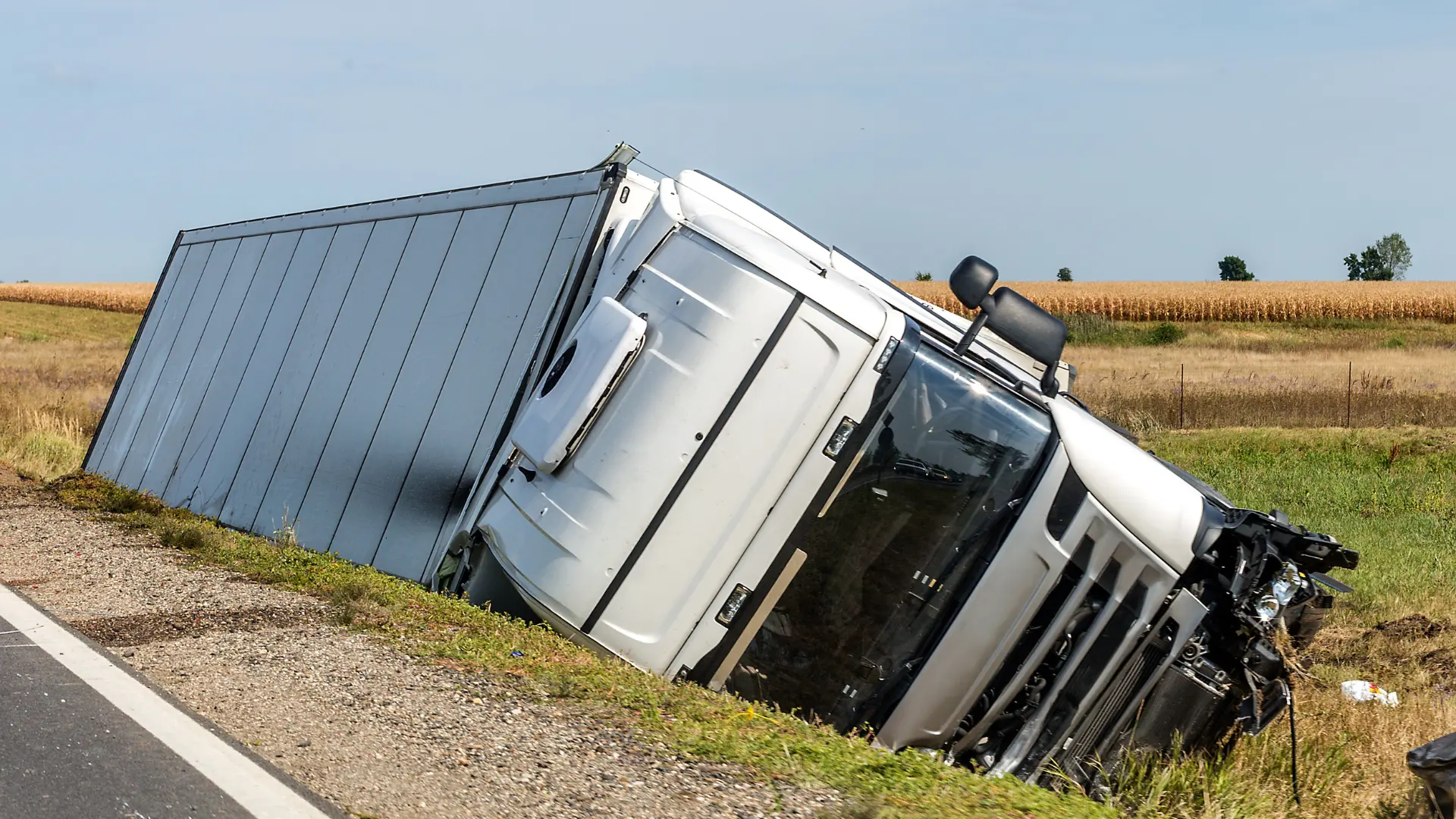
Victims of Truck Accidents face unique legal challenges. Fully loaded 18-wheelers, tractor-trailers, and delivery trucks weigh up to 80,000 pounds, generating catastrophic kinetic force upon impact. Furthermore, commercial logistics companies deploy aggressive risk adjustment teams and defense lawyers to the crash scene immediately to minimize payout liability.
Our experienced Michigan trial attorneys understand how to preserve critical black box telemetry, driver logbooks, and maintenance records before evidence is altered or destroyed.
Understanding Liability in Truck Accidents
Establishing fault following major highway crashes requires a thorough investigation into multiple potential defendants. Unlike routine passenger car claims, liability in Truck Accidents may extend beyond the individual driver on the road:
- Motor Carrier Companies: Liable for negligent hiring, improper driver training, pressuring drivers to exceed federal hours-of-service limits, or failing to enforce drug testing protocols.
- Cargo Loading Contractors: Responsible for unbalanced, unsecured, or overloaded freight that causes rollover events or cargo spills across highway lanes.
- Maintenance Vendors & Manufacturers: Accountable for brake failures, tire blowouts, or mechanical defects caused by skipped inspections or defective auto parts.
- Commercial Drivers: Liable for distracted driving, speeding, fatigue, or operating under the influence of narcotics or alcohol.
Common Causes of Semi-Truck Collisions on Michigan Highways
Commercial drivers navigate demanding schedules across major Michigan corridors like I-75, I-94, and I-96. Freight operator negligence frequently stems from regulatory violations established by the Federal Motor Carrier Safety Administration (FMCSA):
Driver fatigue remains a primary contributor to severe highway collisions. When trucking fleets push drivers past strict driving hour limits, reaction times slow dramatically. Additionally, wide-turn blind spots, sudden lane changes without signaling, jackknife braking maneuvers, and inadequate stopping distances in winter ice or snow frequently precipitate multi-vehicle pileups.
Full Compensation Available for Catastrophic Injuries
Because severe collisions involve massive weight disparities, victims of Truck Accidents often suffer severe trauma requiring lifelong medical care and rehabilitation. We pursue maximum economic and non-economic compensation for our clients:
- Emergency Medical Care: Coverage for trauma care, surgeries, ICU hospitalization, and specialized rehabilitation facilities.
- Future Medical Expenses: Funds for ongoing physical therapy, prescription medication, medical equipment, and home modifications.
- Wage Loss Benefits: Reimbursement for lost income during recovery and compensation for diminished future earning capacity.
- Pain and Suffering: Financial recovery for severe physical pain, emotional trauma, scarring, and loss of life enjoyment.
Steps to Protect Your Legal Rights Following a Collision
Taking immediate action after a crash is vital to building an unassailable legal case against corporate trucking insurers:
- Call 911 Immediately: Ensure state troopers or local police document the scene and file an official traffic collision report.
- Seek Emergency Medical Attention: Obtain thorough diagnostic imaging and treatment for all injuries, including hidden spinal or brain trauma.
- Document the Scene: Capture photos of vehicle damage, skid marks, road conditions, truck company branding, and DOT license numbers.
- Avoid Recorded Statements: Do not discuss fault or accept settlement offers from trucking insurance adjusters without legal representation.
- Consult an Attorney Promptly: Early legal intervention enables subpoenaing driver electronic logging devices (ELD) and dashcam footage.
Explore our detailed comparison on Avvo vs. LegalZoom: Finding a Real Michigan Lawyer.
Federal commercial vehicle operating guidelines and safety standards are documented by the Michigan Legislature statutory framework.
Frequently Asked Questions About Truck Accidents
How long do I have to file a lawsuit after Truck Accidents in Michigan?
Under Michigan law, the statute of limitations for personal injury claims is 3 years from the date of the collision. However, critical electronic logbook data and black box records can be legally overwritten in as few as 30 days, making immediate action critical.
Who can be held financially responsible for my medical bills and lost wages?
You may be entitled to Michigan No-Fault PIP benefits for medical expenses and lost wages through your own auto insurer, while simultaneously pursuing a third-party fault lawsuit against the motor carrier for pain and suffering damages.
How much does it cost to hire an attorney for my claim?
At The Injury Desk, we operate on a strict contingency fee basis. You pay zero upfront legal fees or out-of-pocket expenses. We only receive payment if we successfully recover financial compensation for your claim.
What makes commercial insurance policies different from standard auto insurance?
Interstate commercial vehicles carry policy limits ranging from $750,000 to tens of millions of dollars. Because the financial stakes are exceptionally high, insurance carriers deploy aggressive tactics to deny liability in complex semi-truck crashes.
We Fight For Maximum Compensation
Insurance companies will do everything possible to minimize your claim. You need an aggressive Michigan trial attorney who knows how to hold them accountable. We don't settle for less than you deserve.
Contact Us Today →